Exporting Expertise: How Haitian Leadership Is Shaping Global Poverty Graduation Practice
For decades, Haiti has too often been framed only through the lens of crisis and external aid. But across the global development sector, another story is emerging — one where Haitian practitioners are contributing hard-earned expertise, field-tested strategies, and globally relevant insights on poverty reduction in fragile contexts.
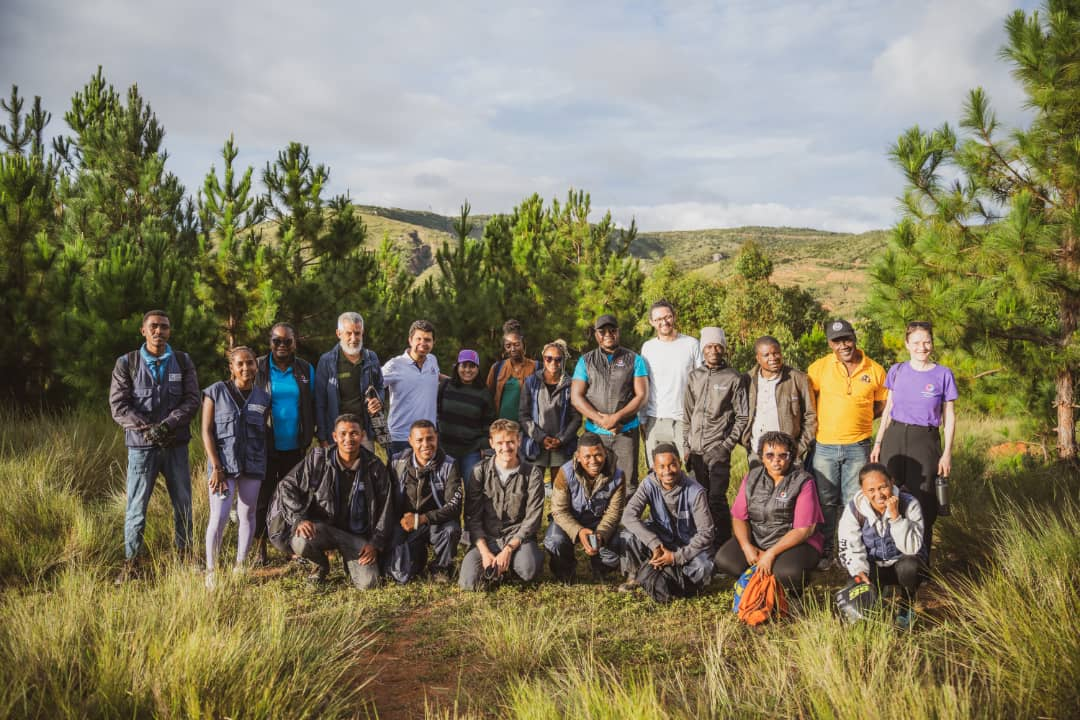
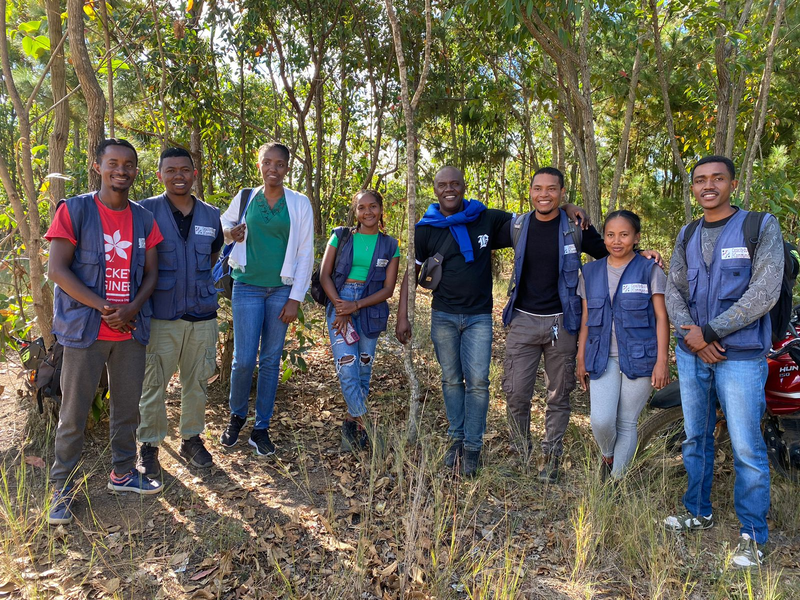
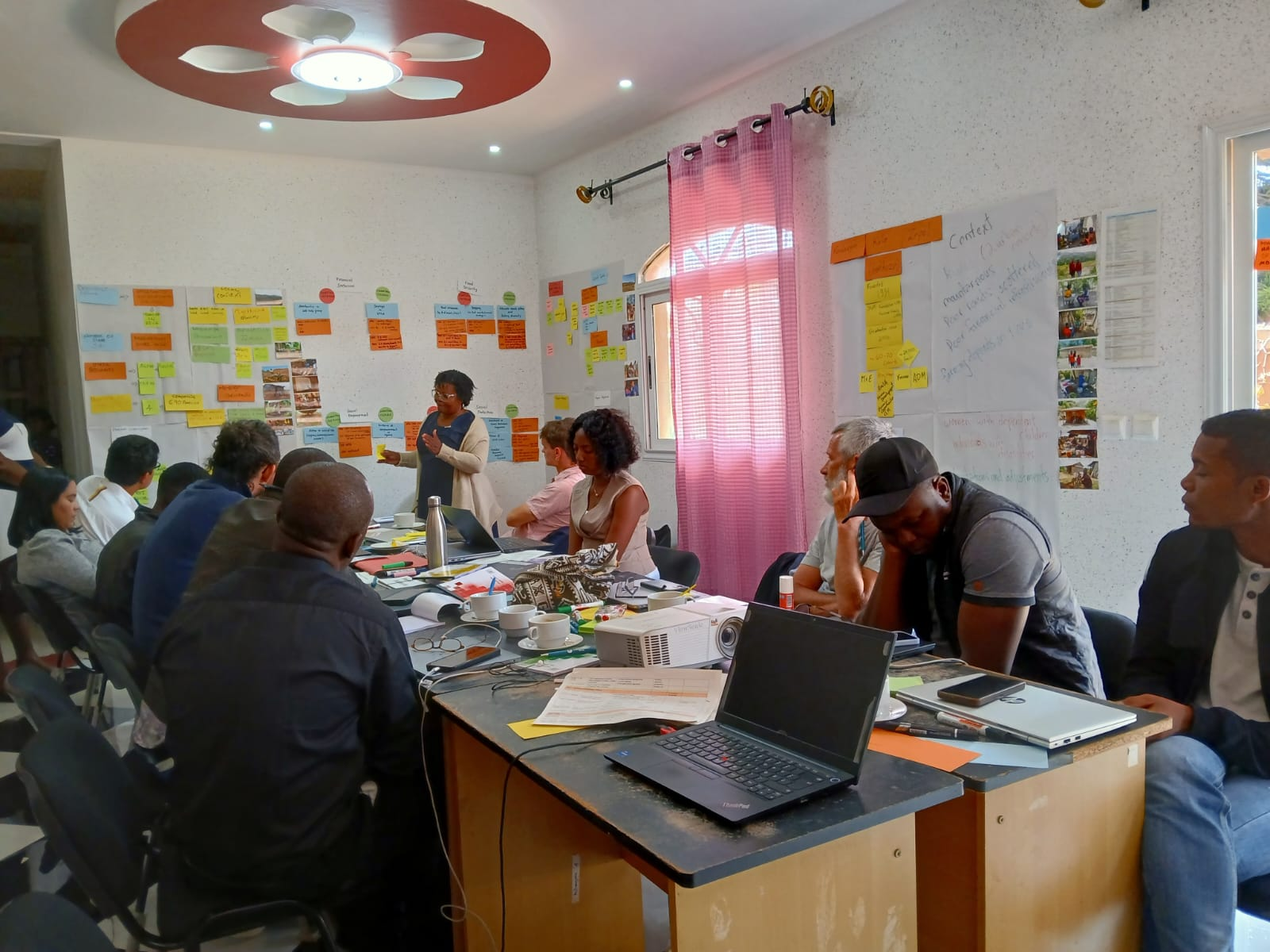
At Fonkoze, this work is grounded in years of accompanying women and families through poverty graduation programs, financial inclusion initiatives, and community-based development. Recently, that expertise was brought to international exchanges in Madagascar and Malawi, where team members from Fonkoze’s Chemen Lavi Miyò (CLM) program joined peer organizations convened by long-time partner Opportunity International to examine what works — and what doesn’t — in helping families move out of extreme poverty.
The exchange reinforced a powerful reality: Haiti is not only receiving development support. Haiti is contributing to global development knowledge.
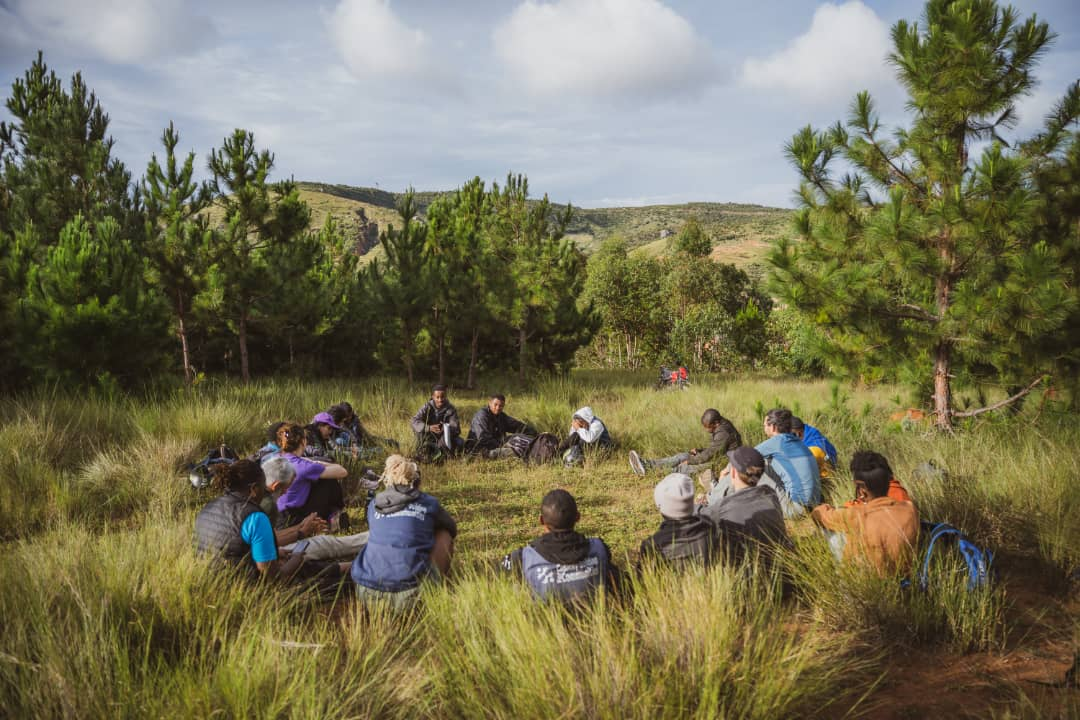
Leonie Alexandre (pictured left below) worked closely with teams in Madagascar to strengthen monitoring, evaluation, and learning systems — helping define program indicators, build evaluation frameworks, and introduce digital tools for tracking outcomes. Her work reflected years of experience designing systems that function in rural, resource-constrained environments where adaptability and accountability are essential.
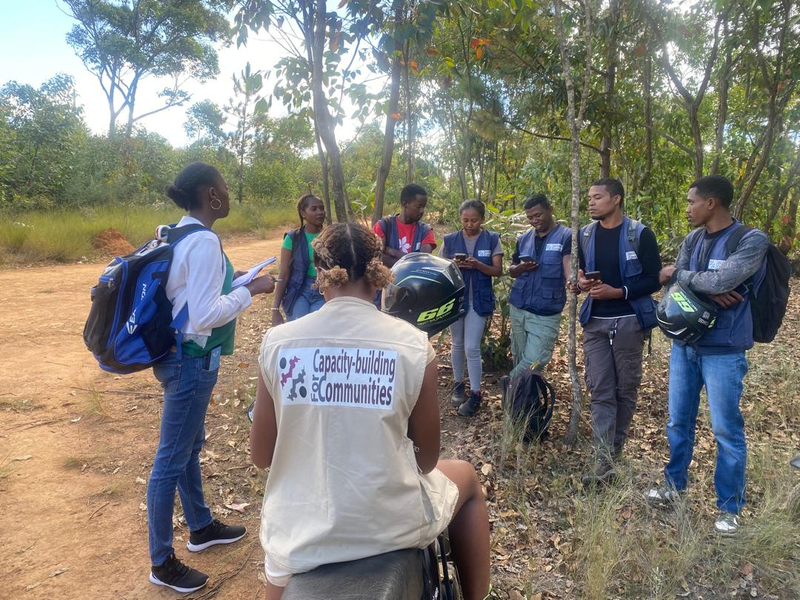
Hebert Artus brought more than two decades of operational experience supporting poverty graduation efforts in Haiti and internationally. Drawing from previous technical assistance exchanges in Burkina Faso and Malawi, he shared practical approaches to coaching, field operations, and decision-making structures shaped through years of direct community accompaniment.
But the exchange was not simply about exporting knowledge. It was also about mutual learning.
Field visits offered important insight into how different communities adapt shared development principles to their own realities. Leonie observed strong literacy and recordkeeping practices within VSLA groups in Madagascar, while Hebert noted highly structured systems for collective business management and community-led data tracking.
These observations reinforced an important lesson for the global development sector: successful models cannot simply be replicated across countries without adaptation. Context matters. Culture matters. Local realities matter.
For Fonkoze, this work represents more than technical collaboration. It reflects a broader commitment to advancing locally rooted solutions while contributing to global conversations around poverty graduation, financial inclusion, and development in fragile contexts.
As organizations around the world search for more effective and equitable approaches to poverty reduction, Haitian practitioners have valuable expertise to share — not only because of theory, but because of lived experience, long-term accompaniment, and decades of implementation in one of the world’s most complex operating environments.